Looking for a Milerd Detoxer discount code? Use my exclusive code EVIE10 to save 40% on your Milerd Detoxer purchase! If you're looking for an easy way to reduce unwanted residues on your fruits and vegetables, the Milerd Detoxer is a kitchen tool I've come to love incorporating into my daily wellness routine.
Exclusive discount: Use code EVIE10 at checkout to save 40%.
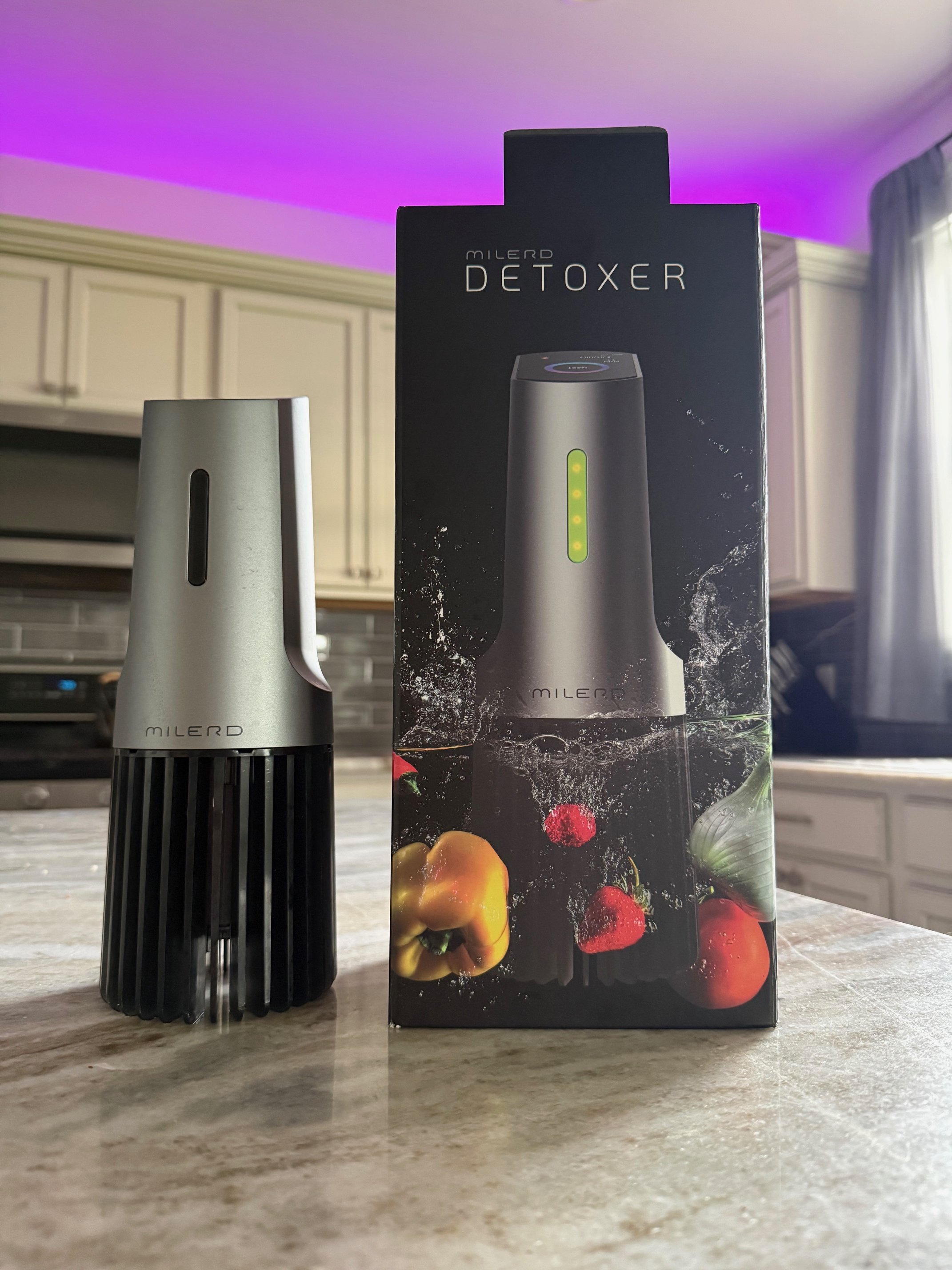
As a 47-year-old woman navigating perimenopause, prioritizing hormone health, and focusing on longevity, I've become much more intentional about what I put into my body. I'm not just thinking about eating healthy foods anymore. I'm also thinking about where those foods come from, how they're grown, and what might be left on them before they make it onto my plate.
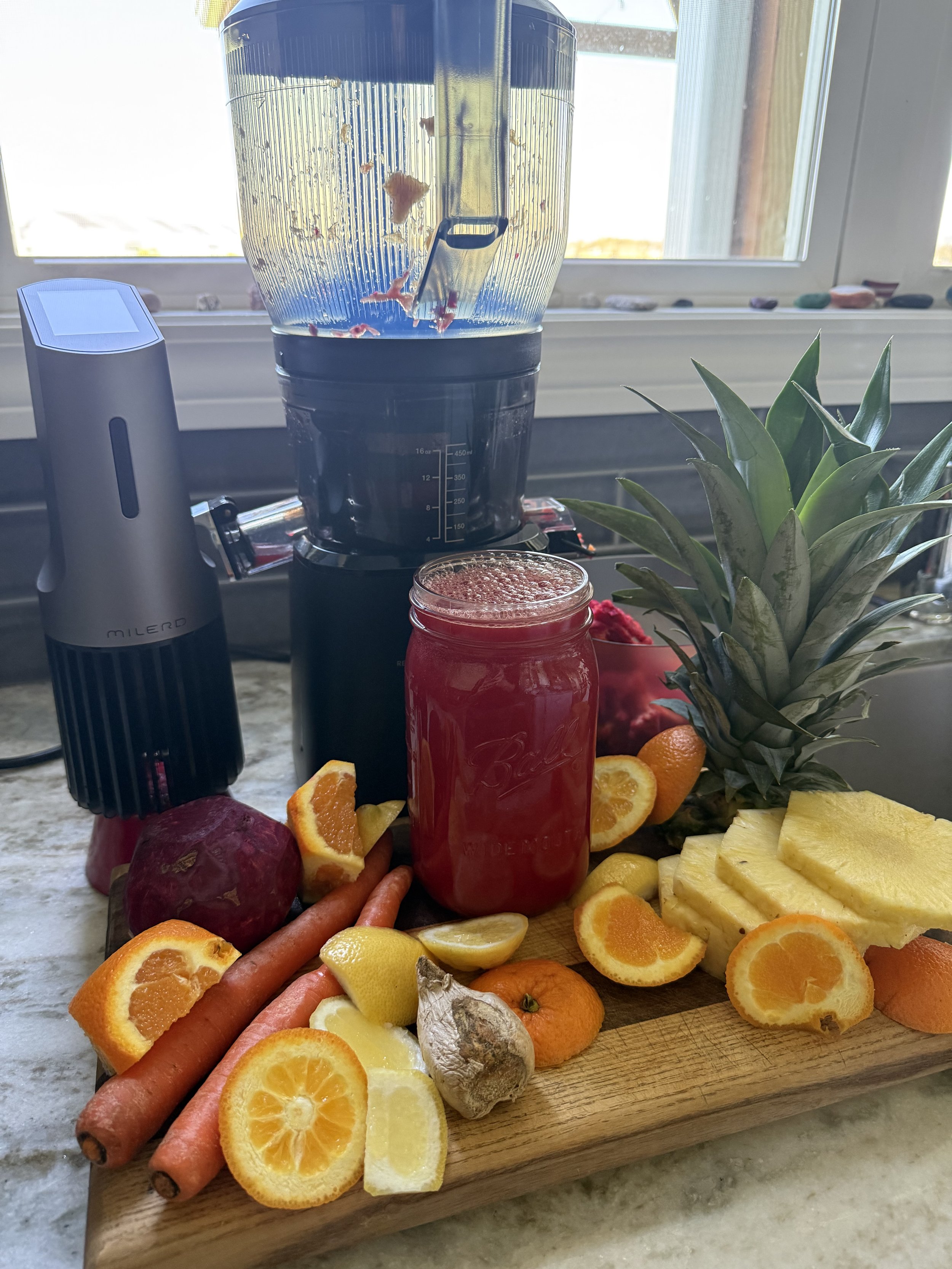
I juice regularly, eat a predominantly whole-food, plant-based diet, and consume plenty of fresh fruits and vegetables. But here's something worth considering: eating healthy produce is only part of the equation. How you prepare and clean that produce matters, too.
That's one of the reasons I love my Milerd Detoxer. It's simple, convenient, and makes cleaning the foods my family eats every day an easy part of my kitchen routine.
In this article, I'm sharing why cleaning your produce matters, what pesticide residues have to do with hormone health, why this is especially interesting to women in midlife, and how the Milerd Detoxer can help make produce preparation easier.
Why Cleaning Your Fruits and Vegetables Matters More Than You Think
We're constantly encouraged to eat more fruits and vegetables, and for good reason. They're packed with vitamins, minerals, antioxidants, fiber, and phytonutrients that support overall health.
But there's another side of the conversation that doesn't always get enough attention: pesticide residues and other environmental contaminants.
Conventional agriculture uses pesticides to control insects, weeds, fungi, and other threats to crops. While pesticides serve an agricultural purpose, residues can sometimes remain on the foods we purchase.
And here's the thing: you can't always see them.
Your strawberries can look beautiful. Your apples can look shiny. Your spinach can look perfectly fresh. But appearance doesn't tell you everything about what's on the surface of your produce.
Even organic produce isn't necessarily free from environmental contaminants. Organic farming has different restrictions on pesticide use, but produce can still come into contact with substances through soil, water, transportation, handling, and the surrounding environment.
This doesn't mean you should stop eating fruits and vegetables. Quite the opposite. I want people eating MORE fresh produce!
It simply means we should be thoughtful about how we prepare the foods we're putting into our bodies.
Pesticides, Endocrine Disruptors, and Your Hormones
This is where the conversation becomes particularly interesting for women.
You've probably heard the term endocrine disruptors, but what does it actually mean?
Your endocrine system is responsible for producing and regulating hormones that influence countless processes throughout your body. These include metabolism, reproductive health, thyroid function, sleep, growth, and many other important functions.
Endocrine-disrupting chemicals are substances that can interfere with normal hormone activity. Some can mimic hormones, block their actions, or interfere with how hormones are produced and regulated.
According to the National Institute of Environmental Health Sciences (NIEHS), certain pesticides are among the chemicals that can act as endocrine disruptors.
The CDC also identifies pesticide exposure as a potential concern for reproductive health, including hormonal changes and fertility-related outcomes.
Why does this matter?
Because hormones aren't just about reproduction. They influence how we feel, how we sleep, how we maintain muscle, how we regulate our metabolism, and how our bodies function throughout different stages of life.
And as women, we experience significant hormonal changes throughout our lives.
Why Women in Perimenopause Should Pay Attention to Environmental Exposures
At 47, hormone health is something I think about every single day.
Perimenopause is a transition that can bring significant changes in estrogen, progesterone, and other hormones. Many women experience changes in sleep, energy, body composition, mood, metabolism, and overall well-being.
I'm a big believer in being proactive about the things we can control.
For me, that includes:
Eating nutrient-dense, whole foods.
Prioritizing protein and fiber.
Strength training and maintaining muscle.
Supporting gut health.
Getting adequate sleep.
Limiting unnecessary environmental exposures where practical.
Being more intentional about the products I use and the foods I eat.
One area worth considering is exposure to endocrine-disrupting chemicals.
Research into environmental chemicals and hormone health continues to evolve. We cannot attribute every hormonal symptom to environmental exposure, and cleaning produce isn't a treatment for perimenopause. However, reducing avoidable exposure to certain chemicals is a reasonable part of a broader approach to wellness.
I don't believe in chasing perfection or living in fear of everything around us. I believe in making small, practical improvements that add up over time.
And cleaning my produce more intentionally is one of those improvements.
Is Rinsing Fruits and Vegetables With Water Enough?
Let's talk about something most of us do automatically.
You bring home strawberries, grapes, blueberries, apples, spinach, or kale. You turn on the faucet, rinse everything quickly, and assume it's clean.
Rinsing under running water is absolutely important. In fact, the FDA recommends thoroughly washing fresh fruits and vegetables under running water before eating or preparing them.
However, the FDA also acknowledges that washing doesn't remove every pesticide residue.
Produce has natural surfaces, folds, pores, and crevices where dirt and residues can collect. Think about the tiny spaces between strawberry seeds, the folds of leafy greens, or the surfaces of grapes.
A quick rinse may not address everything.
This is why I've become interested in additional ways to clean the produce my family consumes.
I also want to be clear about food safety: the FDA does not recommend washing fruits and vegetables with dish soap, household detergents, or bleach. These products can be absorbed by porous produce and aren't appropriate for food preparation.
I prefer practical solutions designed specifically for food cleaning.
Meet the Milerd Detoxer: An Easier Way to Clean Your Produce
This is where the Milerd Detoxer comes in.
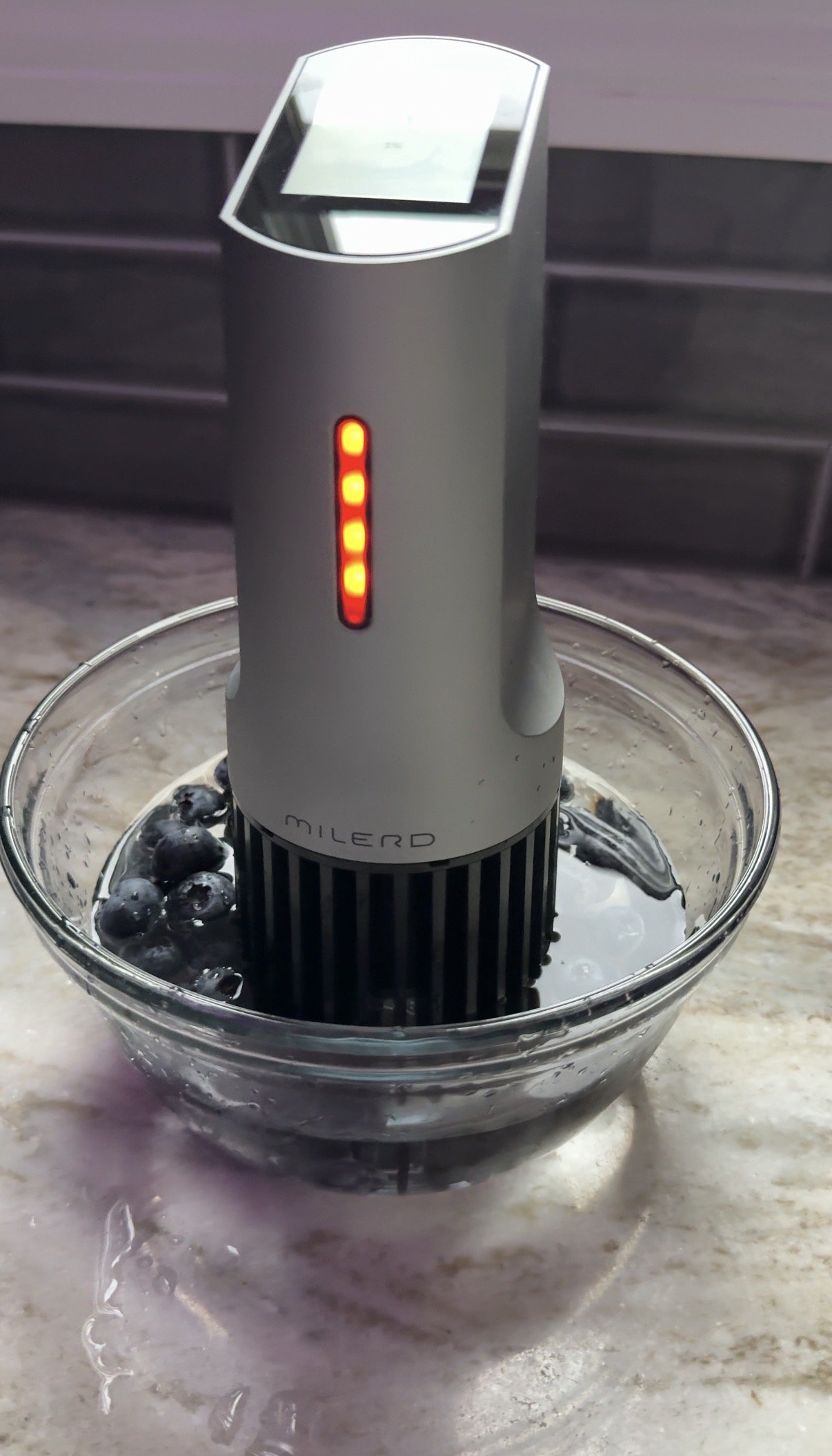
The Milerd Detoxer is a portable food-cleaning device designed to help reduce unwanted contaminants on fruits, vegetables, and other foods.
What I love most is how simple it is to incorporate into my daily routine.
I'm already spending time washing, chopping, juicing, and preparing food. I don't want another complicated process that requires multiple products, special solutions, or a ton of extra time.
The Milerd Detoxer makes the process easy.
It uses two technologies:
1. Active oxygen (ozone)
Ozone is a powerful oxidizing agent. When dissolved in water, it can react with certain organic contaminants and help break them down.
2. Ultrasonic waves
Ultrasonic technology creates microscopic bubbles in water through a process called cavitation. These bubbles help loosen particles and residues from food surfaces, including areas that can be difficult to reach with a traditional rinse.
Together, these technologies are designed to provide an additional cleaning step beyond ordinary rinsing.
The Detoxer 2 model also incorporates ultraviolet (UV) light as an additional treatment technology.
The combination of these technologies is what makes the Milerd Detoxer an interesting addition to my kitchen.
What Can the Milerd Detoxer Help Clean?
One of the things I appreciate about the Milerd Detoxer is that it's not limited to just one type of produce.
It's designed for use with a variety of foods, including:
Strawberries and other berries
Grapes
Apples and pears
Leafy greens, spinach, and kale
Broccoli and other vegetables
Fresh herbs
Other fruits and vegetables
Meat and seafood, according to the manufacturer's instructions
I especially like having an option for cleaning berries and leafy greens because those are foods I regularly eat and use in my juices.
When you're buying fresh produce every week, having one device that can be used for different ingredients is convenient.